What Is a Cloud CRM? Benefits, Features, and Top Solutions 2026
Introduction
Cloud CRM (Customer Relationship Management) systems run on cloud infrastructure accessed via internet rather than installed on local servers. This delivery model has revolutionized how businesses manage customer relationships, offering flexibility, scalability, and cost advantages over traditional on-premise solutions.
This guide explains what cloud CRM is, how it differs from traditional CRM, benefits and challenges, key features, leading platforms, and selection criteria.
Primary Keyword: Cloud CRM Secondary Keywords: Cloud-based CRM, cloud CRM software, online CRM, SaaS CRM Keyword Clusters: Benefits, features, top platforms, implementation
What is Cloud CRM?

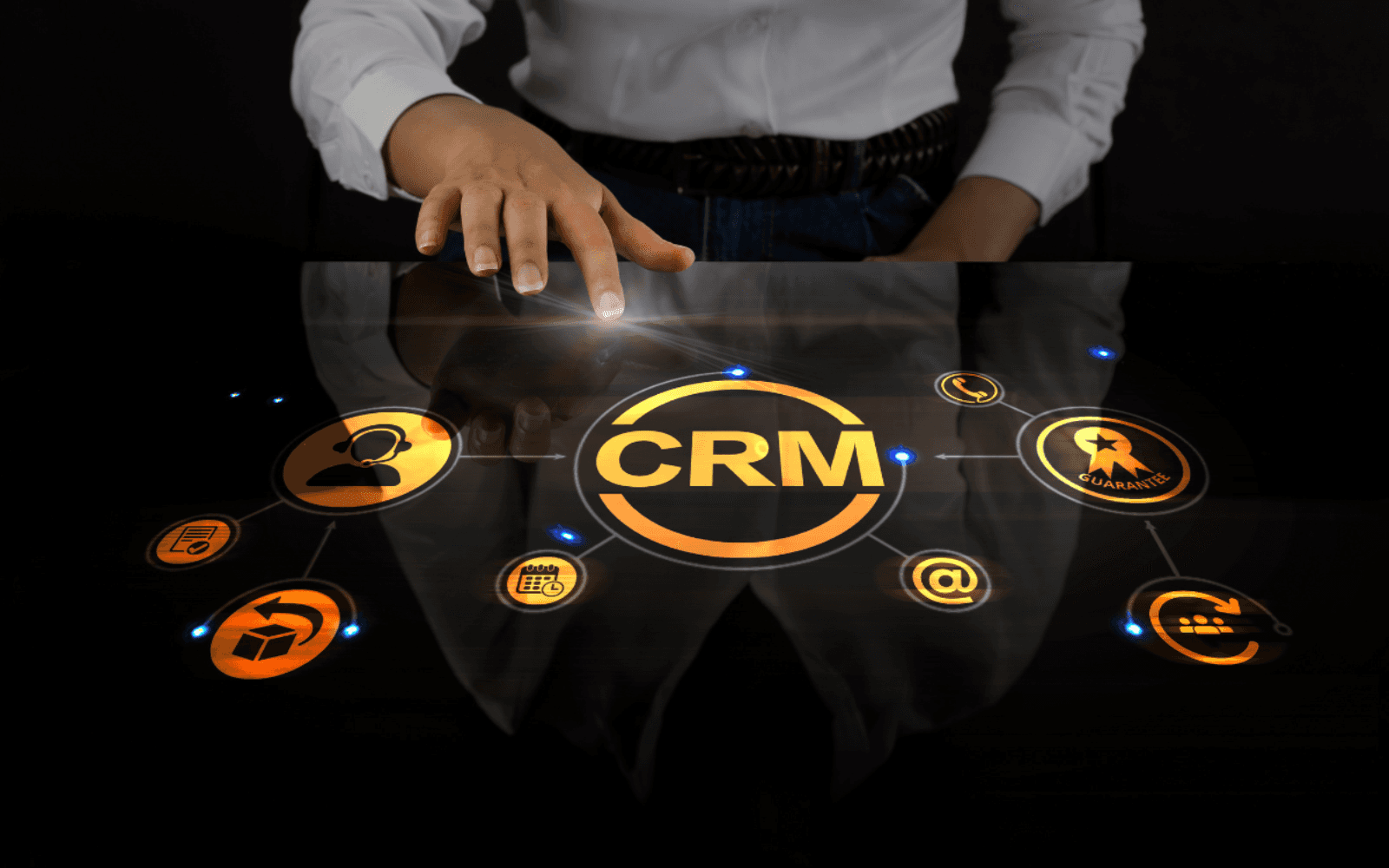
Cloud CRM is customer relationship management software hosted on vendor's cloud servers and accessed through web browsers or mobile apps. Users don't install software locally everything runs in the cloud with data stored on remote servers managed by the CRM provider.
Also Known As: SaaS CRM, hosted CRM, web-based CRM, online CRM
How It Works: Vendor hosts software and infrastructure, users access via internet connection, automatic updates and backups, subscription-based pricing, scalable resources
Cloud CRM vs. On-Premise CRM
Deployment: Cloud: Hosted by vendor, accessed via browser On-Premise: Installed on company servers, accessed locally
Cost Structure: Cloud: Monthly/annual subscription, predictable costs On-Premise: Large upfront licensing, ongoing IT costs
Maintenance: Cloud: Vendor handles updates, security, backups On-Premise: Company IT responsible for everything
Accessibility: Cloud: Accessible anywhere with internet On-Premise: Typically office-only unless VPN configured
Customization: Cloud: Configuration within platform limits On-Premise: Unlimited customization possible
Implementation: Cloud: Days to weeks On-Premise: Months to years
Benefits of Cloud CRM
Lower Upfront Costs
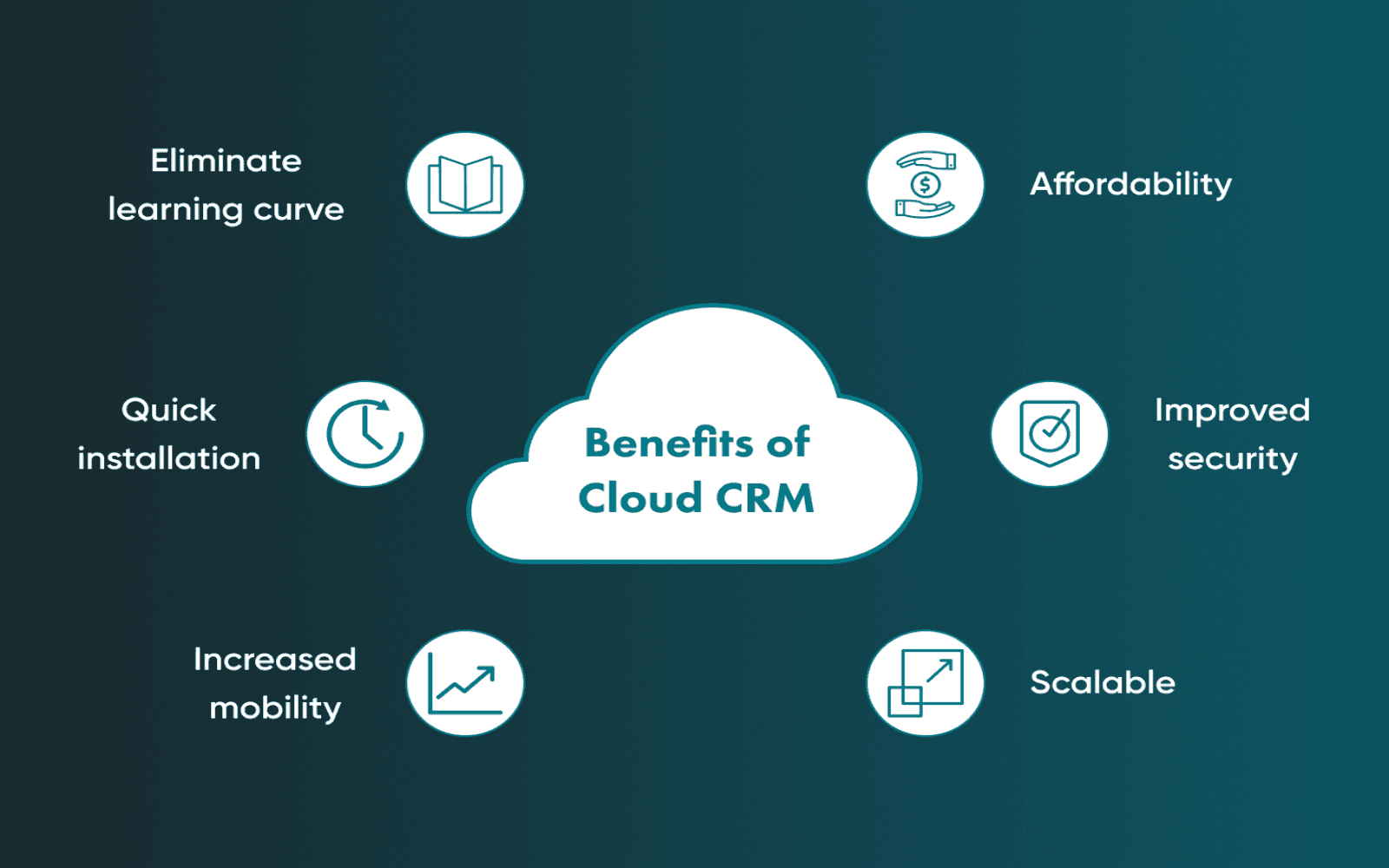
No server hardware purchases, no software licensing fees, no IT infrastructure investments, subscription-based pricing, pay-as-you-grow model
Faster Deployment
Implementation in days/weeks not months, minimal IT involvement needed, pre-configured best practices, rapid user onboarding, quick time-to-value
Automatic Updates
Latest features automatically, security patches applied continuously, no manual upgrade projects, no version compatibility issues, always current technology
Accessibility and Mobility
Access anywhere with internet, native mobile apps, remote work enabled, field sales empowered, real-time collaboration
Scalability
Add users instantly, storage scales automatically, features enabled on-demand, handles growth seamlessly, no capacity planning
Reduced IT Burden
Vendor manages infrastructure, automatic backups, security monitoring, disaster recovery included, minimal IT resources required
Integration Ecosystem
Pre-built integrations, API availability, app marketplaces, ecosystem of complementary tools, easier than on-premise integration
Key Cloud CRM Features
Contact and Account Management
Centralized customer database, contact history tracking, account hierarchies, interaction logging, relationship mapping, 360-degree customer view
Sales Pipeline Management
Opportunity tracking, deal stages, forecasting, win/loss analysis, quote generation, activity management
Marketing Automation
Email campaigns, lead nurturing, landing pages, forms and surveys, campaign tracking, marketing attribution
Customer Service
Case management, ticket tracking, knowledge base, service level agreements, customer portals, omnichannel support
Reporting and Analytics
Customizable dashboards, sales reports, pipeline analysis, performance metrics, predictive analytics, data visualization
Mobile Access
Native iOS and Android apps, offline functionality, mobile-optimized interface, push notifications, camera and location integration
Workflow Automation
Trigger-based actions, approval processes, task automation, notification rules, assignment logic
Collaboration Tools
Team feeds and chatter, file sharing, @mentions, project collaboration, integrated communication
Top Cloud CRM Platforms
Salesforce
Market leader, most comprehensive, extensive ecosystem, enterprise-focused
Pricing: $25-$300+ per user/month Best For: Mid-size to enterprise, complex needs, customization requirements
HubSpot CRM
Free tier available, inbound marketing focus, user-friendly, integrated marketing tools
Pricing: Free to $1,200+ per month Best For: Small to mid-size, inbound marketing, growing businesses
Microsoft Dynamics 365
Microsoft ecosystem integration, strong for enterprise, ERP integration, AI capabilities
Pricing: $65-$210 per user/month Best For: Microsoft shops, enterprise, complex integrations
Zoho CRM
Affordable, feature-rich, AI assistant, good for SMB, extensive integrations
Pricing: $14-$52 per user/month Best For: Small to mid-size, budget-conscious, customization needs
Pipedrive
Sales-focused, intuitive interface, visual pipeline, easy adoption, mobile-first
Pricing: $15-$99 per user/month Best For: SMB sales teams, straightforward needs, visual workflows
Freshsales
AI-powered, affordable, built-in phone, email tracking, user-friendly
Pricing: $15-$69 per user/month Best For: SMB, modern sales teams, integrated communication
Cloud CRM Security Considerations
Data Security Measures
Encryption in transit and at rest, multi-factor authentication, role-based access control, IP restrictions, audit logs, compliance certifications (SOC 2, GDPR, HIPAA)
Vendor Evaluation
Security certifications, data center locations, backup procedures, disaster recovery plans, incident response, track record
Best Practices
Strong password policies, regular access reviews, least privilege principle, employee training, mobile device management, third-party app vetting
Data Privacy
Understanding data residency, GDPR compliance for EU customers, data ownership clarification, export capabilities, deletion policies
Challenges and Limitations
Internet Dependency
Requires stable internet connection, performance affected by bandwidth, limited offline functionality, outages impact operations
Solution: Choose vendors with offline modes, redundant connections, mobile apps with offline access
Data Control Concerns
Data stored with third party, vendor access to information, dependency on vendor security, exit strategy considerations
Solution: Evaluate vendor security practices, understand data ownership, plan data export procedures
Customization Limits
Platform-defined constraints, may not fit unique processes exactly, workarounds sometimes needed, dependent on vendor roadmap
Solution: Thoroughly evaluate fit before committing, accept standard processes when reasonable, consider platform extensibility
Subscription Costs Over Time
Ongoing payments accumulate, price increases possible, cost grows with users, feature tiers expensive
Solution: Calculate total cost of ownership, negotiate multi-year contracts, right-size user licenses, monitor usage
Selecting the Right Cloud CRM
Define Requirements
Current pain points, must-have features, number of users, budget constraints, integration needs, industry-specific requirements
Evaluate Options
Research vendors meeting criteria, read reviews and case studies, watch product demos, check pricing models, verify integration capabilities
Trial and Demo
Test with actual use cases, involve end users in evaluation, assess learning curve, verify claimed capabilities, check mobile experience
Assess Vendor Viability
Company stability, customer base size, industry experience, product roadmap, support quality, community strength
Calculate Total Cost
Subscription fees, implementation services, training costs, integration development, ongoing administration, potential add-ons
Plan Implementation
Data migration strategy, integration requirements, training approach, rollout timeline, change management, success metrics
Implementation Best Practices
Start with Clean Data
Clean existing data before import, standardize formats, deduplicate records, map fields carefully, validate after migration
Configure Before Customizing
Use standard features first, configure to match processes, only customize when necessary, avoid over-engineering, plan for maintainability
Focus on Adoption
Involve users in setup, provide comprehensive training, demonstrate clear benefits, celebrate quick wins, gather feedback regularly
Integrate Strategically
Prioritize critical integrations, start simple and expand, test thoroughly, monitor data flow, document dependencies
Measure and Optimize
Track adoption metrics, measure business impact, identify improvement opportunities, optimize workflows, expand features gradually
Frequently Asked Questions
Is cloud CRM secure? Yes, when choosing reputable vendors with strong security practices. Leading cloud CRM providers invest heavily in security often more than individual companies can with encryption, compliance certifications, and dedicated security teams.
What happens if internet goes down? Most cloud CRMs offer limited offline functionality in mobile apps. However, full functionality requires internet connection. Ensure reliable internet connectivity and consider backup connections for business-critical operations.
Can we migrate from on-premise to cloud CRM? Yes. Most vendors provide migration tools and services. Process involves data export, cleaning, mapping, import, and validation. Timeline: weeks to months depending on data complexity and customizations.
How much does cloud CRM cost? $15-$150 per user monthly typical for SMB solutions. Enterprise solutions: $100-$300+ per user monthly. Total cost includes subscriptions, implementation, training, integrations, and ongoing administration.
Do we own our data in cloud CRM? Yes, you own your data. Reputable vendors provide export capabilities and clarify data ownership in contracts. Always verify export options and data portability before committing.
Can cloud CRM integrate with our other systems? Most cloud CRMs offer extensive integration options through APIs, pre-built connectors, and app marketplaces. Verify specific integration needs during evaluation critical integrations should be confirmed before purchase.
Conclusion
Cloud CRM has become the dominant delivery model for customer relationship management, offering compelling advantages over traditional on-premise systems: lower costs, faster deployment, automatic updates, anywhere access, and reduced IT burden.
While considerations exist around internet dependency, data control, and customization limits, the benefits outweigh drawbacks for most businesses. Leading platforms provide enterprise-grade security, extensive features, and robust ecosystems making cloud CRM suitable for organizations of all sizes.
Selecting the right cloud CRM requires clearly defining requirements, thoroughly evaluating options, testing with real use cases, and planning implementation carefully. Success depends on data quality, user adoption, strategic integration, and continuous optimization.
The future of CRM is undeniably cloud-based. Businesses still operating on-premise systems should evaluate cloud alternatives seriously, considering not just immediate benefits but long-term advantages of modern, scalable, continually improving platforms enabling better customer relationships and business growth.
Begin your cloud CRM journey by assessing current challenges, defining specific needs, researching platforms matching your requirements, conducting thorough trials, and planning methodical implementation. The transformation to cloud CRM represents strategic investment in customer relationship capabilities that will serve your business for years to come.
Timeframe
2022 - 2023
Client
Escoba Inc.