Why PwC Has Rebranded to Simplify Its Brand Identity: Strategy Behind the Bold Move
Introduction
In 2024, PricewaterhouseCoopers (PwC), one of the world's "Big Four" accounting and professional services firms, underwent a comprehensive rebrand designed to simplify its identity and better reflect its evolution from traditional accounting to multifaceted business advisory. This strategic move represents more than aesthetic updates it signals PwC's transformation and future direction.
This analysis explores why PwC rebranded, the strategic thinking behind changes, implementation approach, and lessons for other organizations considering brand refresh.
Primary Keyword: PwC rebrand
Secondary Keywords: PwC brand identity, PricewaterhouseCoopers rebrand, PwC branding, corporate rebrand Keyword Clusters: Rebrand strategy, brand simplification, professional services branding, visual identity
Background: PwC's Brand Evolution
Historical Context
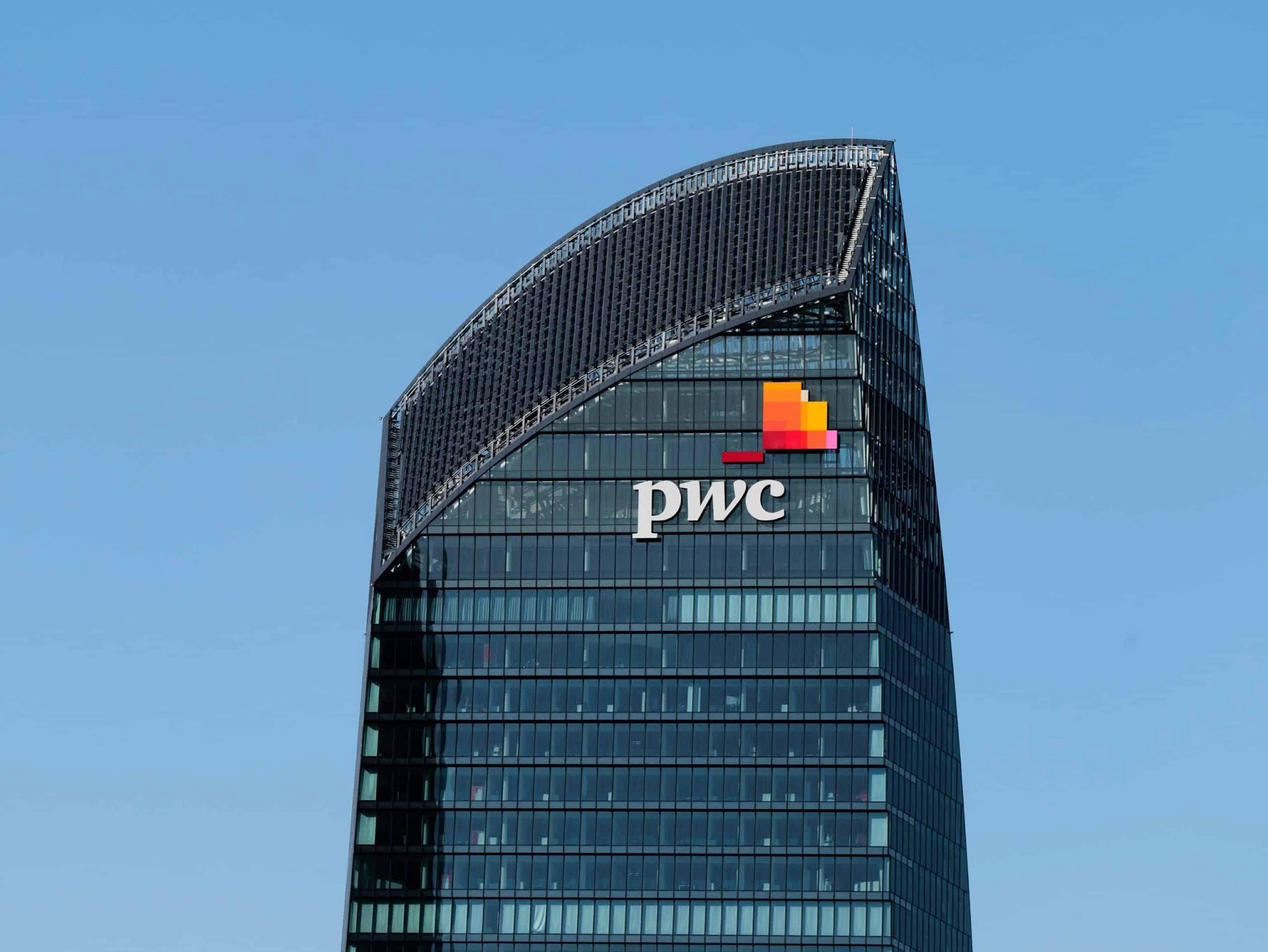
1998: Price Waterhouse and Coopers & Lybrand merge, creating PricewaterhouseCoopers
2002: Adopts "PwC" as primary brand after Enron scandal and consulting arm sale
2010: Previous brand refresh established orange and black color scheme
2024: Comprehensive rebrand simplifying identity further
Business Evolution
From: Traditional audit and accounting focus To: Technology-enabled business advisory, strategy consulting, digital transformation, ESG advisory, cybersecurity
Challenge: Brand identity hadn't fully reflected business transformation and modern positioning.
Why PwC Rebranded: Strategic Drivers
1. Simplification for Global Consistency
Challenge: Complex brand guidelines, inconsistent application across 152 countries, multiple sub-brands creating confusion
Solution: Streamlined visual system, reduced complexity, clearer hierarchy, easier implementation globally
Benefit: Stronger brand recognition, reduced costs, faster deployment, consistent experience worldwide
2. Reflecting Business Transformation
Old Perception: Traditional accounting firm, conservative, compliance-focused
New Reality: Technology-powered advisory, innovation partner, transformation catalyst, strategic advisor
Rebrand Goal: Visual identity matching actual capabilities and positioning
3. Appealing to Modern Talent
Competition: Tech companies, startups, boutique consultancies attracting top graduates
Challenge: Professional services perceived as traditional, rigid, uninspiring
Solution: Modern, dynamic brand identity signaling innovation, flexibility, forward-thinking culture
Impact: Improved employer brand, enhanced talent attraction, better retention
4. Digital-First Considerations
Old System: Designed for print, complex in digital environments, inconsistent responsive behavior
New System: Digital-native design, optimized for screens, flexible across devices, accessible, modern
5. Competitive Differentiation
Context: Big Four firms increasingly similar in capabilities and messaging
Opportunity: Distinctive visual identity and brand voice differentiating in crowded market
Approach: Bold colors, dynamic design, clear positioning
Key Elements of PwC's Rebrand
Visual Identity Changes
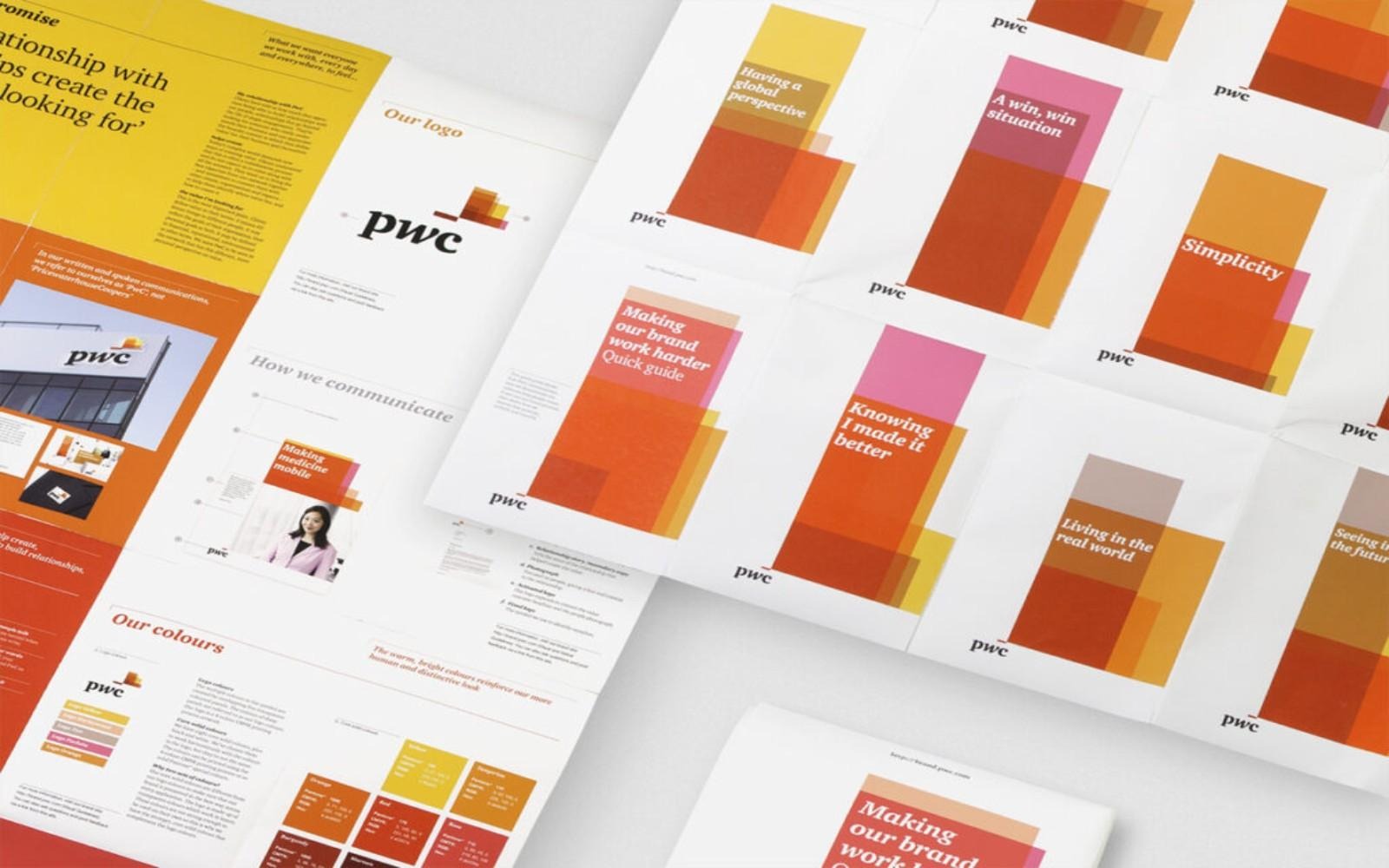
Logo Evolution: Refined typography, improved legibility, better scaling across sizes, maintained recognition while modernizing
Color Palette: Vibrant orange retained (brand equity), expanded secondary palette, increased flexibility, better digital rendering, accessibility improvements
Typography: Custom typeface development, improved readability, consistent across platforms, professional yet approachable
Graphic Elements: Dynamic shapes and patterns, modular system for flexibility, visual language across touchpoints, motion design principles
Brand Voice and Messaging
From: Formal, corporate, conservative To: Confident, accessible, human, forward-thinking
Examples: Old: "Building trust and solving important problems" New: "Building trust and delivering sustained outcomes"
Photography and Imagery
Old Approach: Stock corporate imagery, staged scenarios, impersonal
New Approach: Authentic moments, diverse representation, real client work, dynamic compositions
Digital Experience
Redesigned website, improved user experience, faster load times, mobile-optimized, accessibility standards met
Implementation Strategy
Phased Rollout
Phase 1 (Months 1-3): Digital properties, website, social media, email signatures
Phase 2 (Months 4-6): Client-facing materials, presentations, proposals, reports
Phase 3 (Months 7-12): Physical environments, offices, signage, employee materials
Phase 4 (Ongoing): Legacy materials retired gradually, full transition completion
Global Coordination
Central brand team providing guidance and assets, regional flexibility within parameters, local market adaptation permitted, quality control through approval processes
Internal Engagement
Communication Campaign: Launch events explaining rationale, brand ambassadors in each office, training on new guidelines, FAQ resources
Employee Activation: Updated email signatures, profile pictures, digital assets, physical materials, branded apparel
Change Management: Addressing concerns, celebrating wins, continuous feedback, refinement based on learnings
External Launch
Media outreach, client communication, social media campaign, thought leadership, case studies showcasing new work
Challenges and Solutions
Challenge 1: Maintaining Brand Equity
Risk: Losing recognition built over decades
Solution: Evolution not revolution; retained core elements (name, orange), gradual transition, consistent messaging
Challenge 2: Global Consistency vs. Local Relevance
Risk: One-size-fits-all approach failing in diverse markets
Solution: Flexible framework with clear parameters, local adaptation guidelines, cultural sensitivity review
Challenge 3: Cost and Resource Requirements
Investment: Millions in development, implementation, training, materials
Justification: Long-term brand value increase, operational efficiencies, competitive positioning
Mitigation: Phased approach spreading costs, prioritizing high-impact touchpoints first
Challenge 4: Internal Skepticism
Concern: "Why change what's working?" from some partners and employees
Response: Clear business case communication, involving stakeholders early, demonstrating market research, showing competitive necessity
Challenge 5: Execution Complexity
Scale: 364,000 employees, 152 countries, thousands of touchpoints
Solution: Detailed playbooks, dedicated implementation teams, technology tools, regular audits
![Image: Project timeline visualization showing PwC's rebrand implementation phases from planning through full rollout, with key milestones and deliverables marked at each stage]
Early Results and Reception
Internal Reception
Generally positive among younger employees, appreciation for modernization, some nostalgia from long-tenured partners, overall understanding of strategic necessity
Client Feedback
Minimal disruption to relationships, recognition of innovation investment, appreciation for digital improvements, enhanced perception of capabilities
Market Response
Positive coverage in business press, design community recognition, competitive differentiation achieved, talent attraction improvements noted
Measurable Impacts (Early Indicators)
Website traffic increase, improved engagement metrics, positive social sentiment, recruitment application growth, brand awareness studies showing stronger recognition
Lessons for Other Organizations
1. Ground Rebrand in Business Strategy
Don't rebrand for aesthetics alone. PwC's rebrand reflected actual business transformation. Ensure visual identity matches strategic positioning and capabilities.
2. Balance Evolution and Revolution
Maintain brand equity while modernizing. PwC retained recognition elements (name, core color) while evolving overall system.
3. Prioritize Digital Experience
Modern brands live primarily in digital environments. Design for screens first, print second. Ensure responsive, accessible, fast-loading digital properties.
4. Invest in Implementation
Beautiful brand guidelines mean nothing without disciplined execution. Budget adequately for training, materials, technology, monitoring.
5. Engage Employees Early
Internal stakeholders can champion or sabotage rebrand. Involve early, communicate clearly, address concerns, provide tools and support.
6. Be Patient with ROI
Brand transformation takes time. Immediate metrics may not show dramatic change. Commit to multi-year view measuring awareness, perception, talent attraction, client acquisition over time.
7. Maintain Flexibility
Rigid brand systems break in diverse global contexts. Build frameworks allowing adaptation within parameters.
Future of PwC's Brand

Continued Evolution
Brands never "finish" evolving, ongoing refinement based on feedback and market changes, technology integration (AI, virtual experiences), sustainability messaging expansion
Digital Innovation
Web3 exploration, metaverse presence, AI-powered tools, enhanced digital experiences, personalization at scale
Purpose and Values
Increased emphasis on ESG leadership, diversity and inclusion visibility, social impact communication, trust and transparency focus
Frequently Asked Questions
Why did PwC rebrand? Strategic drivers included simplifying global brand consistency, reflecting business transformation from traditional accounting to technology-enabled advisory, attracting modern talent, optimizing for digital environments, and differentiating competitively.
How much did the rebrand cost? Exact costs undisclosed but estimated millions considering development, global implementation, materials, training, and technology. However, PwC views it as strategic investment with long-term return.
Did PwC change its name? No. "PwC" remains the brand name. The rebrand focused on visual identity, messaging, and brand experience rather than nomenclature change.
How long will the rebrand take to fully implement? Phased rollout over 12-18 months for major touchpoints. However, complete transition including all legacy materials retirement may take several years.
Will the rebrand impact client relationships? Minimal impact anticipated. Rebrand designed to enhance perception while maintaining continuity. Client-facing changes implemented gradually with clear communication.
What makes this rebrand different from previous updates? More comprehensive transformation than previous refreshes. Addresses business model evolution, digital-first design, global simplification, and cultural modernization rather than just aesthetic updates.
Conclusion
PwC's 2024 rebrand represents strategic response to business transformation, competitive dynamics, talent market realities, and digital environment demands. By simplifying brand identity, modernizing visual systems, and aligning brand expression with actual capabilities, PwC positions itself for future growth while maintaining recognition built over decades.
The rebrand demonstrates that even established professional services brands must evolve continuously, reflecting changing business models and market expectations. Success depends not just on design quality but on strategic alignment, disciplined implementation, stakeholder engagement, and patience with long-term results.
For organizations considering rebrand, PwC's approach offers valuable lessons: ground decisions in business strategy, balance continuity with modernization, prioritize digital experiences, invest in implementation, engage employees, maintain flexibility, and commit to sustained effort.
Brand transformation is never "finished" it's ongoing process of evolution, refinement, and adaptation. PwC's rebrand marks important milestone in the firm's continued transformation from traditional accounting to modern business advisory. The ultimate measure of success will be sustained brand value growth, enhanced market position, improved talent attraction, and stronger client relationships over coming years.
Timeframe
2022 - 2023
Client
Escoba Inc.